
Listen to the podcast summary here

The most overlooked opportunity for business growth isn't finding new clients - it's optimizing the processes that happen behind the scenes.

Every business has two sides: the "front stage" that clients see (your website, communications, and deliverables) and the "backstage" processes that make everything possible. While front stage elements typically receive the most attention, it's often the backstage operations that determine whether a business can scale effectively.

As Steve Jobs' father, a cabinet maker, taught him - what goes on behind the scenes is just as important as what is visible. The internal craftsmanship of an iPhone is designed with the same care as its exterior, even though customers rarely see it. This attention to backstage detail is what enables consistent, exceptional front stage experiences.

The first step in the Backstage Brainstorm is identifying what isn't working optimally. Common problem areas include onboarding new clients, following up with prospects, post-event marketing, CRM management, and financial processes. For many businesses, the most pressing issues involve processes that directly impact revenue generation.

Once you've identified these pain points, consider how they could be improved through better documentation, technology tools, or procedure redesign. The Backstage Brainstorm isn't just about fixing problems - it's about reimagining how work gets done.

Modern tools have made process documentation more accessible than ever. Screen recording software like Loom allows you to capture and narrate processes in real-time. Custom AI assistants can be created to house your business's standard operating procedures, making information retrieval intuitive. Some businesses even hold dedicated "process days" where team members collaborate to document and refine key procedures.

What makes these processes stick is having clear ownership and implementation timelines. Each improvement should have someone responsible for its execution and a deadline for completion. Without this accountability, even the best process ideas remain unimplemented.

The benefits of strong backstage processes extend beyond operational efficiency. As one business owner who had recently documented all his processes discovered after a motorcycle accident left him hospitalized, robust processes can be the difference between business continuity and failure during unexpected absences.

Well-documented processes also increase business value. When systems aren't dependent on the specialized knowledge of particular individuals, the business becomes more saleable and scalable. This is why books like The E-Myth Revisited by Michael Gerber emphasize processes as the foundation of a business that can thrive beyond its founder.

Remember that process optimization isn't a one-time event. The most successful businesses regularly revisit their backstage operations, examining them for opportunities to streamline, automate, or enhance. By making this a recurring practice, you'll build a business that not only runs smoothly but can adapt and grow regardless of who's at the helm.

Listen to the podcast summary here

Today, we're introducing two powerful concepts: the "Happy Week" and the "Happy Year." These strategies are not just about work; they're about crafting a life that brings you joy, fulfilment, and success on all fronts.

The Essence of the "Happy Week"

The "Happy Week" is about integrating your professional and personal life in a way that promotes efficiency and satisfaction. It starts with gaining clarity on what is essential and ensuring those things get the priority they deserve. This concept was inspired by the structure often taught in business coaching, which I extended into my personal life, especially when training for my first Ironman. By rising early and winning your first victory hour of the day, you set a positive tone and momentum that carries you through the day.

Key Components of the Happy Week:

Victory Hour: Inspired by the 5AM Club, this is about starting your day with purpose. It includes exercise, learning, and reflection. This powerful morning routine sets the stage for a productive and centred day.

Prioritising Important Tasks: Ensure the most critical tasks are scheduled early in the week when your energy and focus are highest. This approach is akin to Abraham Lincoln's strategy: spending the first hour sharpening the axe to make the work that follows more effective.

Structured Flexibility: Adopt a time system that categorizes days into focus, buffer, and free days, helping you manage different types of activities efficiently. Focus days are for your highest value work, buffer days for preparation and admin, and free days for complete rest, allowing mental and physical recovery.

Expanding into the "Happy Year"

The "Happy Year" strategy takes the principles of the "Happy Week" and scales them to plan your entire year. It emphasizes the importance of proactively scheduling downtime and significant activities, ensuring you live a balanced and fulfilling life. This approach is about putting the big rocks in first, making sure that your most important personal and professional goals are scheduled before anything else.

Planning Your Happy Year:

Quarterly Breaks: Aim for at least one week off every quarter. This break is not just a holiday but a vital part of your productivity and creativity cycle, allowing time for rest and rejuvenation.

Annual Themes: Each year, set specific themes or focus areas based on your personal and professional growth targets. This helps you stay aligned with your long-term visions and makes daily decision-making more straightforward.

Visual Mapping: Use a calendar to visually map out your year. Colour-code different types of weeks and important days. This helps you quickly see whether your year is balanced between work, rest, and play.

Integrating the Concepts

To integrate these concepts into your life, start by reflecting on what activities make you feel most alive and productive - your flow activities. Schedule these into your Happy Week first. Next, extend this planning into the Happy Year, ensuring you have significant breaks and activities that recharge and inspire you.

Remember, the goal is not just to be busy but to be effective and happy. Regularly revisiting and adjusting your Happy Week and Happy Year plans ensures they remain relevant and aligned with your evolving goals and life circumstances.

Implementing the "Happy Week" and "Happy Year" strategies transforms not just how you work, but how you live. It's about making every day meaningful and every year remarkable. Start today, and step into a more structured yet flexible way of living that brings out the best in you. Let’s make every week a happy week and every year a happy year!

Listen to the podcast summary here

Today, we're diving into a powerful tool that will revolutionise the way you think about pricing: the Fee Value Framework. This concept isn't just about numbers; it's about aligning your pricing strategy with the value you deliver to your clients. Let’s break it down and explore how you can use this framework to create more value and, ultimately, more success in your business.

Focus on Value, Not Time

Pricing should be based on the value you generate, not the time it takes. Imagine you're offering a service that saves your client millions of dollars. Would they balk at paying a few thousand pounds for that? Of course not! If you frame your value correctly, clients will see the worth of your work and be more than willing to pay for it.

The Power of Saying No

One critical aspect of managing fees and clients is learning to say no. Every time you say yes to a low-value client, you're saying no to high-value opportunities. For instance, if you accept a £500 gig, you might miss out on a £5,000 client because your time is tied up. It’s crucial to recognize that turning down the wrong clients creates space for the right ones.

Segment Your Clients

Segmentation is key. Not all clients are created equal, and your services should reflect that. By categorizing clients and offering tiered services, you can tailor your approach to meet their specific needs. This strategy ensures that each client receives appropriate value while maximizing your efficiency and profitability.

The Pumpkin Plan

One of the books that tie into this discussion is "The Pumpkin Plan." It emphasizes the importance of segmenting clients and focusing on the ones that will help your business grow. By pruning less valuable clients and nurturing high-value ones, you create a more robust and scalable business model.

Dynamic Pricing and Bundling

Dynamic pricing, used by airlines, can also be applied to your business. Adjust your prices based on demand and urgency. Bundling services together can create perceived value and make it harder for clients to compare your offerings with competitors. This strategy enhances your value proposition and can justify higher fees.

Price Pockets and Revenue Ramps

Understanding price pockets helps you set optimal prices. For example, if your fee is at the bottom of a price pocket, you're missing out. Instead, position your fees at the top of a pocket to maximize revenue. The revenue ramp is another powerful concept: start with a free offering, move to a low-cost entry service, then upsell to higher-value services. This progression builds trust and increases client investment over time.

Value-Based Fees

The ultimate goal is to link your fees directly to the value you provide. Clients distrust hourly rates because they feel it incentivizes slow work. Instead, offer value-based pricing. For example, if you can deliver a significant result quickly, clients will pay more for that efficiency. This approach aligns your interests with your clients' and builds trust.

Practical Application: The Fee Value Framework

Let's put this into practice with the Fee Value Framework. This tool helps you identify the value you offer, articulate benefits clearly, leverage premium pricing, understand client segmentation, and optimize your offerings.

Quantify the Value: What measurable benefits do you deliver? Increased profitability? Time saved? Identify and quantify these values.
Leverage Premium Pricing: How much would you be willing to pay for your service? If you're investing in a high-quality mastermind group, consider what makes that valuable and apply similar pricing strategies to your offerings.
Understand Client Segmentation: Who are your ideal clients? How can you categorize them to provide tailored services that maximize value?
Evaluate and Optimize: Continuously assess your offerings. Are they aligned with the value you deliver? Are there opportunities to streamline or enhance services?

Conclusion

By focusing on the value you provide rather than the time you spend, you can transform your pricing strategy and your business. The Fee Value Framework is a powerful tool to help you articulate and leverage the true worth of your services. Remember, it’s not just about working harder; it’s about working smarter and delivering exceptional value to your clients.

Let's get out there and create more value, build stronger relationships with our clients, and achieve the success we deserve!

Listen to the podcast summary here

Today, we're diving deep into the essence of pinpointing your ideal client - a game-changer in optimizing your business success. Let's uncover how you can cultivate a laser-like focus on identifying and attracting your perfect clientele.

The Power of Precision in Client Selection

Identifying your ideal client isn't just about broadening your market; it's about refining it. Knowing who your ideal clients are, as vividly detailed during the workshop, simplifies the process of attracting and serving them. It’s akin to setting a precise goal in personal development - clarity is power!

The Case of Paddy Lund

Consider the story of Paddy Lund, an Australian dentist who drastically narrowed his client base to transform his life and business, ultimately enhancing his mental well-being and business success. He chose to work only with clients who resonated deeply with his values and goals. This radical focus can be a transformative strategy in any sector, not just in dentistry. It’s about working smarter, not harder, and aligning your business practices with your life’s values and passions.

Strategic Marketing to Your Ideal Client

Once you know who your ideal clients are, every piece of your marketing strategy, from your messaging to your medium, can be tailored to meet their specific needs and desires. This tailored approach is incredibly powerful, as it allows you to resonate more deeply with your target audience, much like aligning your personal beliefs with your actions to achieve greater fulfilment and success.

Leveraging Modern Marketing Platforms

With today's technology, there's no need to waste resources on broad, unfocused advertising. You can create your own digital "TV channel" or podcast that speaks directly to your niche, cutting costs and increasing engagement. As we often explore in personal development, leveraging tools and technology to amplify your efforts can lead to exponential growth.

Example of Efficient Portfolio

At Efficient Portfolio, the identification of three distinct client types (pre-retirees worried about finances, those nearing retirement focusing on inheritance, and busy entrepreneurs) allowed for incredibly focused and effective marketing strategies. This level of detail in understanding your client not only improves marketing efficiency but also enhances the client experience, mirroring the way understanding your personal strengths and weaknesses can drastically improve your life outcomes.

Building a Tribe

One of the most impactful takeaways is the concept of building a tribe. By focusing your efforts on a specific niche, you create a community of like-minded individuals who share common goals and values. This is not just beneficial for business - it fosters a sense of community and belonging, echoing the human need for connection that is so vital in both personal and professional realms.

Ideal Client Niche Analysis

Take a moment to really think about who your ideal clients are. What do they value? Where do they spend their time? What are their fears and aspirations? By answering these questions, you can craft a marketing strategy that feels less like selling and more like extending an invitation to join an exclusive club.

The Intersection of Business and Personal Development

Identifying your ideal client with such precision is much like setting a goal in personal development. It requires an understanding of the landscape, an awareness of who you are and what you can offer, and the clarity to execute your vision effectively. Just as we aim to align our personal actions with our deepest values and goals, so too should our business strategies reflect a deep understanding and consideration of who we are serving.

Now, take this understanding back to your businesses, your marketing strategies, and your personal development plans. Remember, the clearer you are about who you want to serve, the more effectively you can serve them, leading to greater satisfaction and success in every area of your life. Let's make every interaction count, whether it's with a client or in pursuit of your personal goals.

Listen to the podcast summary here

Businesses, like individuals, either grow or decline - there's rarely a middle ground of comfortable stagnation. This reality explains why many business owners lose their enthusiasm; when growth stalls, motivation plummets.

Creating a culture of continuous innovation is the antidote to this stagnation. When Sir David Brailsford took over the underperforming British Cycling team, he applied a "marginal gains" philosophy that transformed them into world champions, winning 7 out of 10 available gold medals at the 2012 Olympics.

His secret wasn't a radical breakthrough but rather dozens of tiny 1% improvements: spraying alcohol on tires for better grip, using inflatable leg warmers between races, designing custom aerodynamic helmets, creating sweat-resistant clothing, and ensuring athletes slept on the same mattress at every location. No single change made a dramatic difference, but together, they created an overwhelming competitive advantage.

The same principle applies to your business. As businesses evolve through their lifecycle - from survival mode to growth phase to maturity - the need for continuous innovation remains constant. Even mature businesses that appear to have "made it" can quickly slide into decline without regular rejuvenation through innovation.

Apple exemplifies this concept. When Steve Jobs returned to a struggling Apple, he didn't make incremental improvements to existing products. He focused on dramatic innovation - introducing the iPod, iPhone, iPad, and iTunes - which transformed Apple from a computer company on life support into the world's most valuable corporation.

To implement the Game of Gains in your business:

Create a Learning Library: Encourage team members to read business and personal development books by offering incentives like pay increases for every five books read (capped at one raise per year). Require brief reports on how concepts from each book could benefit your business.

Implement "Work on the Business" Time: Set aside dedicated time (e.g., one hour monthly) for team members to develop improvement ideas, similar to Google's approach that produced innovations like Gmail and Google Maps.

Hold Monthly "Energy Meetings": Conduct focused sessions on improving specific areas of your business. Rotate through 12 different themes annually.

Apply the 10% Improvement Framework: In your annual planning, ask how you can improve each part of your process by just 10% in terms of:

1. Impact (effectiveness)
2. Profit (revenue)
3. Efficiency (speed)

When you make 10% improvements across multiple stages of your business process, the results compound dramatically. A 10% improvement at each stage of a six-step process doesn't yield just 60% better results - it can produce an 80% or greater overall improvement due to compounding effects.

By creating systems that encourage everyone in your organization to contribute improvement ideas, you'll build a team of entrepreneurial thinkers who feel valued and engaged. You'll satisfy the fundamental human need for growth while continuously revitalizing your business.

Remember that innovation doesn't have to mean dramatic reinvention. Often, it's the accumulation of small, thoughtful changes that transforms ordinary businesses into extraordinary ones.

Listen to the podcast summary here

When we implemented a structured leadership team framework at Efficient Portfolio, it fundamentally changed the game of business we were playing. What started as a format born from reading Gino Wickman's book "Traction" evolved into a system that not only improved our leadership team's performance but transformed our entire organization.

The magic happened when our leadership team members stepped up and began teaching what they knew to others. This created a ripple effect throughout the business, boosting performance and accountability company-wide. It's the reason I can now run multiple businesses simultaneously - once you get the leadership piece right, everything else flows from there.

The Business Life Cycle

Every business follows a life cycle similar to human development. It begins in a birth/infancy stage (the lifestyle company) where it requires constant support without giving much back. It progresses through toddlerhood and the teenage phase (founder-manager company) where risk-taking happens but profitability isn't consistent.

The critical evolution comes when moving to young adulthood by implementing good processes, and finally to maturity, where the leadership team is firmly established. At this stage - the leadership growth business - the organization will grow whether the founder is present or not.

Five Elements of a Great Leadership Team

There are five key components to building an effective leadership team:

  1. Strategy: Create alignment with tools like the "moonshot" - one clear, memorable goal that everyone understands. As Kennedy said about landing on the moon: simple, measurable, and time-specific. The one-page business plan brings this together, aligning quarterly goals with long-term vision.
  2. Capabilities: Develop diverse thinking within your team. The All Blacks rugby team's principle of "pass the ball" emphasizes making the next generation better than the current one. Your organizational structure should distribute responsibilities clearly across different roles.
  3. Accountability: Implement a scorecard system to track key metrics weekly. Just as in sports, if you can't read the scoreboard, you don't know who's winning. Every leadership team member should know exactly which numbers they're responsible for.
  4. Leadership Skills: Foster a culture of teaching and coaching. When leaders empower others to teach, it deepens their own mastery while developing the next generation of leaders. Netflix's "radical candor" approach - direct, honest feedback delivered with care - exemplifies this.
  5. Evolution: Create systems for continuous improvement. The All Blacks principle that "no one player is bigger than the team" emphasizes culture over individual stars. Implement shadow roles and encourage knowledge transfer to prepare for succession.

Practical implementations include quarterly leadership meetings to review past performance and set future goals, regular leadership check-ins (15 minutes to create, 5 minutes to read), and leadership updates to communicate progress to the wider team.

The result? A business that can grow beyond you, creating freedom for the founder and opportunity for the team. As Victor Frankl wrote, "He who knows his why will tolerate almost any how." When your leadership team understands the mission, they'll find a way through challenges - and take the whole organization with them.

Listen to the podcast summary here

If you want to create a thriving business, you need to inject it with passion, energy, and excitement! The Fun Fusion Formula is the key to doing just that. This powerful tool helps you blend what you love with your professional life to create unstoppable momentum. When you merge your passions with your business, you not only enjoy the process but also attract clients and opportunities more easily.

Why the Fun Fusion Formula Is a Game-Changer

Entrepreneurs often burn out from the daily grind, losing the passion that once fueled them. The Fun Fusion Formula solves this by:

  • Merging your personal passions with business: Stop treating work and life as separate. When you combine them, you unlock a new level of energy that drives success.
  • Creating meaningful connections: People are drawn to your energy when you’re having fun. That excitement makes you stand out and attracts clients effortlessly.
  • Turning fun into business growth: Whether it’s at a sporting event or a social gathering, your favorite activities can become opportunities to grow your business.

How to Use the Fun Fusion Formula

Here’s how to apply this formula in your business:

  1. Identify What You Love: What activities bring you joy - sports, travel, socializing? Write them down, because these are your fuel for success.
  2. Merge Fun with Business: Find ways to integrate these activities into your business:
    1. Love sports? Invite clients to a game.
    2. Enjoy travel? Attend a conference in a city you want to explore. When you combine your passions with work, your energy becomes magnetic, attracting opportunities.
  3. Make Fun Tax Deductible: Many of these experiences can be tax-deductible, whether it’s hosting a client dinner, attending a conference, or taking a business trip. Merge work with fun and benefit financially.
  4. Amplify Relationships: Use shared experiences to build authentic connections. Spending quality time with clients while doing something you both enjoy creates lasting, profitable relationships.
  5. Turn Passion into Profit: Your passion becomes your best marketing tool. When you love what you do, clients notice, and they want to be part of it.

Key Benefits of the Fun Fusion Formula

  • Increased Energy: When you do what you love, your energy and performance improve.
  • Stronger Relationships: Shared experiences deepen trust and lead to more business.
  • Maximized Profit: Turning fun into business opportunities boosts revenue and profitability.
  • Tax Benefits: Many of these activities are tax-deductible.
  • Sustained Passion: Merging fun and work keeps your passion alive and helps you avoid burnout.

Take Action Now!

Don’t separate work from fun. The Fun Fusion Formula helps you create a business you love, filled with energy, profit, and excitement.

Next steps

  1. Write down what brings you joy.
  2. Brainstorm how to merge these passions with your business.
  3. Take action - schedule one fun-business fusion activity today.

Build a business you’re excited about every day and take your success to the next level!

Listen to the podcast summary here

Today, we're exploring a transformative tool that can revolutionize the way you approach challenges - the "Obstacle Opportunity". This tool is designed to help you reframe obstacles not just as barriers to your success, but as stepping stones towards achieving your dreams.

Embracing the Power of Negativity

It might sound counterintuitive, especially in a world that often preaches positivity, but giving negativity a role in your life can be incredibly empowering. Understanding that within every difficulty lies a potential opportunity allows us to engage our problem-solving skills more effectively and creatively. Just like in personal development, where we turn inward to discover our true potential, this tool encourages us to look closely at our challenges and find hidden gems of opportunity.

The Rocky Story: A Testament to Persistence

Take Sylvester Stallone’s journey with the original "Rocky." Stallone faced immense rejection and was at a point where he had to sell his beloved dog to make ends meet. Despite lucrative offers for his screenplay, he held out to star in the film himself, believing deeply in his vision. His perseverance not only paid off, but it also fundamentally changed his life and career. This story is a powerful reminder that the path to achieving our goals is often littered with obstacles that require us to stand firm and be true to our visions.

How to Use the Obstacle Opportunity Tool

The essence of the Obstacle Opportunity tool lies in its structured approach to tackling challenges:

  1. Identify Your Goal: Clearly define what you want to achieve. This becomes the beacon that guides your efforts.
  2. List the Obstacles: Systematically think through and write down every possible obstacle that could prevent you from reaching your goal. Resist the urge to solve these problems immediately; just list them.
  3. Analyze Opportunities for Overcoming Obstacles: Once you have your list of obstacles, shift your focus to solving these problems. For each obstacle, think about potential solutions, who could help you, and by when these solutions could be implemented.

Real-Life Inspirations

Muhammad Ali and Steve Jobs provide excellent examples of how mindset and perspective can turn obstacles into opportunities. Ali's famous practice of pushing past his limits, and Jobs's ability to create a "reality distortion field," illustrate how redefining the boundaries of what’s possible can lead to extraordinary outcomes.

The Role of Chunking in Overcoming Obstacles

Breaking down a large goal into smaller, manageable parts is a technique used by triathletes and entrepreneurs alike to maintain focus and drive. For example, dividing an Ironman race into segments allows athletes to manage their energy and maintain a strong pace throughout. Similarly, in business and personal growth, chunking down goals helps maintain momentum and ensures continuous progress, even when the end goal seems distant.

Implementing the Tool

Let’s put this tool into action. Start with a goal you have for this year. For instance, if your goal is to increase the profitability of a new business venture, you would:

  • List all obstacles: Such as lack of customer awareness, funding issues, or market competition.
  • Develop opportunities: Create detailed plans for marketing, secure additional funding, or analyze competitor strategies.
  • Assign tasks and deadlines: Determine who is responsible for each action and set realistic deadlines to ensure progress.

Remember, the journey to achieving our goals is not meant to be easy. It's filled with challenges that test our resolve, creativity, and endurance. But with the right tools, like the Obstacle Opportunity tool, you can transform these challenges into powerful catalysts for growth and success.

I encourage you to adopt this tool in your daily life. Whether you're navigating personal hurdles or professional setbacks, remember that you have the power to turn every obstacle into an opportunity. It's not just about overcoming what’s in your path, but also about transforming these challenges into triumphs. Let's harness this tool and make our ambitions a reality, one obstacle at a time!

Listen to the podcast summary here

If sleep were truly unimportant, it would be Mother Nature's biggest mistake. Yet every species on the planet sleeps, and we die from sleep deprivation faster than from food deprivation. This isn't coincidental - it's because sleep is fundamental to our survival and performance.Sleep consists of different stages, with REM and deep sleep being most crucial. REM sleep enhances memory formation, learning capacity, problem-solving ability, and creativity. Deep sleep focuses on physical recovery, immune system function, cardiovascular health, and blood sugar regulation. Together, they create a comprehensive restoration system that's irreplaceable.

The consequences of insufficient sleep (less than 7 hours nightly) are far more serious than most people realize:

Short-term impacts:

  • Impaired decision-making and reduced creativity in the workplace
  • 168% higher risk of car accidents after long shifts (a major concern for healthcare workers)
  • Increased likelihood of choosing easier tasks over challenging ones
  • Greater tendency toward unethical behavior and cutting corners

Medium-term impacts:

  • Weight gain due to increased hunger hormones and sugar cravings
  • Mood disturbances, including heightened anxiety and depression risk
  • Reduced immune function and higher susceptibility to illness
  • Diminished physical performance and recovery

Long-term impacts:

  • Significantly increased Alzheimer's risk (famous low-sleepers like Reagan and Thatcher ultimately died from Alzheimer's)
  • Higher cancer risk
  • Elevated cardiovascular disease risk
  • Shortened lifespan

The economic impact is staggering: $411 billion lost annually in the US and £50 billion in the UK due to sleep-deprived workforces. Forward-thinking companies like Google recognize this reality and now provide sleep pods for employees, understanding that well-rested workers are more productive, creative, and ethical.

Fortunately, you can dramatically improve your sleep quality with some straightforward interventions:

  1. Optimize your sleep environment - Keep your bedroom cool (around 18°C/65°F), dark (use blackout curtains and eliminate electronic lights), and quiet. Temperature regulation is particularly important, as it's one of the most powerful factors influencing sleep quality.
  2. Establish consistent sleep-wake times - Your body thrives on regularity. Set a bedtime alarm 45 minutes before your intended sleep time to begin winding down, and maintain consistent wake times even on weekends.
  3. Manage blue light exposure - Electronic devices suppress melatonin production. Avoid screens 90 minutes before bedtime, or use blue light filters. Read physical books rather than e-readers before sleep.
  4. Be strategic with stimulants and depressants - Avoid caffeine after midday (it has a 5-6 hour half-life) and limit alcohol, which might help you fall asleep but dramatically reduces sleep quality, particularly REM sleep.
  5. Exercise appropriately timed - Regular exercise improves sleep quality, but avoid vigorous activity within 90 minutes of bedtime, as it increases alertness and body temperature.
  6. Leverage natural light - Morning sunlight exposure helps regulate your circadian rhythm. This is particularly effective for combating jet lag - upon arrival, immediately get outdoor exposure and exercise to reset your body clock.
  7. Time your meals appropriately - Eating late diminishes sleep quality. Aim to finish your last meal at least 3 hours before bedtime, with foods like kiwi, tart cherries, fatty fish, and nuts potentially supporting better sleep.
  8. Develop pre-sleep rituals - Gradually dimming lights throughout your home signals to your body that it's time to produce melatonin. A warm bath before bed can help trigger the cooling process that facilitates sleep onset.

If you struggle with falling asleep, several science-backed techniques can help:

  • Tell the "chimp brain" (your reactive, emotional brain) to be quiet, forcing your rational brain to take control
  • Imagine a cannon firing random numbers, which prevents linear, anxiety-producing thoughts
  • Schedule worry time for tomorrow to give your brain permission to let go of concerns
  • Take a mental walk through a familiar, pleasant environment like a golf course

For measurement and accountability, consider using sleep tracking technology. The Oura Ring provides particularly accurate sleep stage monitoring, helping you understand which interventions most improve your sleep quality.

Remember, sleep isn't merely absence of wakefulness - it's an active, essential biological process that determines your physical health, cognitive function, emotional wellbeing, and ultimately your lifespan. The daylight saving time studies provide compelling evidence: just one hour less sleep leads to measurable increases in heart attacks, car accidents, and workplace injuries the following day.

The question isn't whether you can afford to prioritize sleep - it's whether you can afford not to. As the sleep scientist Dr. Matthew Walker says, "Sleep is the single most effective thing we can do to reset our brain and body health each day."

What one change will you implement tonight to improve your sleep?

Listen to the podcast summary here

Today, I’m excited to share some powerful insights on boosting productivity by mastering your focus. In our fast-paced, notification-driven world, maintaining focus can often feel like a Herculean task. But it's absolutely crucial if we aim to achieve greatness in any area of our lives.

The Cost of Distraction

Distraction is a significant barrier to productivity. Research indicates that the average person gets distracted every 11 minutes and then takes another 11 minutes to regain focus. Think about that for a moment - it’s a massive drain on your ability to perform at your best.

The Power of Single-Tasking

Let's bust a myth here: multitasking is a misnomer. What we call multitasking is actually switch-tasking. Every time we switch from one task to another, there's a cost in terms of time and effectiveness. By focusing on one task at a time, we not only do it better but also finish it faster.

Strategies to Enhance Focus

  1. Understand the Triggers of Distraction: Identify what pulls your attention away. Is it boredom? An overwhelming to-do list? Recognize these triggers and address them directly. Near Ayal’s idea of taking a 10-minute pause before giving in to a distraction like checking your phone can be incredibly effective. This brief pause can help you decide if the distraction is worth your time.
  2. Reduce Opportunities for Interruption: Like nurses in hospitals who wear a vest to signal they should not be disturbed, find ways to signal to your colleagues or family that you are in deep focus. Maybe it's a sign on your office door or a specific status update in your digital workspace.
  3. Leverage Technology Wisely: Tools like app blockers or scheduling apps can help manage your time and attention. For instance, set limits on how long you can spend on social media or use tools like Calendly to eliminate the back-and-forth of scheduling meetings.
  4. Focus on Inputs, Not Just Outputs: Inspired by Near Ayal’s insights, focus on what you can control—the inputs. This means setting up the right environment for sleep, work, or relaxation, rather than stressing over the outcomes, which can lead to increased anxiety and reduced effectiveness.

Creating a Productivity-Focused Environment

  1. Email Management: Employ strategies like having an assistant manage your inbox or using email rules to filter out less important messages. This can significantly decrease the amount of time you spend dealing with emails.
  2. Scheduled Focus Times: Implement the idea of focus days and buffer days as suggested in the Strategic Coach program. On focus days, do only what you’re best at and what brings the most value to your work. Buffer days can be used for planning, preparation, and administration.
  3. Physical and Virtual Boundaries: Keep your workspace clear of distractions. This might mean having a clean desktop, turning off unnecessary notifications, or even deleting social media apps from your phone to encourage more intentional use.

Putting It All Together

Implementing these strategies requires commitment and discipline, but the payoff is immense. By creating an environment that promotes focus, understanding your distraction triggers, and using technology to support rather than hinder your work, you can significantly boost your productivity.

Remember, every minute you save from a distraction is a minute you can invest in achieving your dreams. Let's embrace these strategies, reduce our cognitive load, and push towards becoming indestructible in our focus and productivity. This isn't just about working smarter; it's about living better. Let’s make the most out of our time, because in the end, how we spend our minutes is how we spend our lives. Let’s make every moment count!

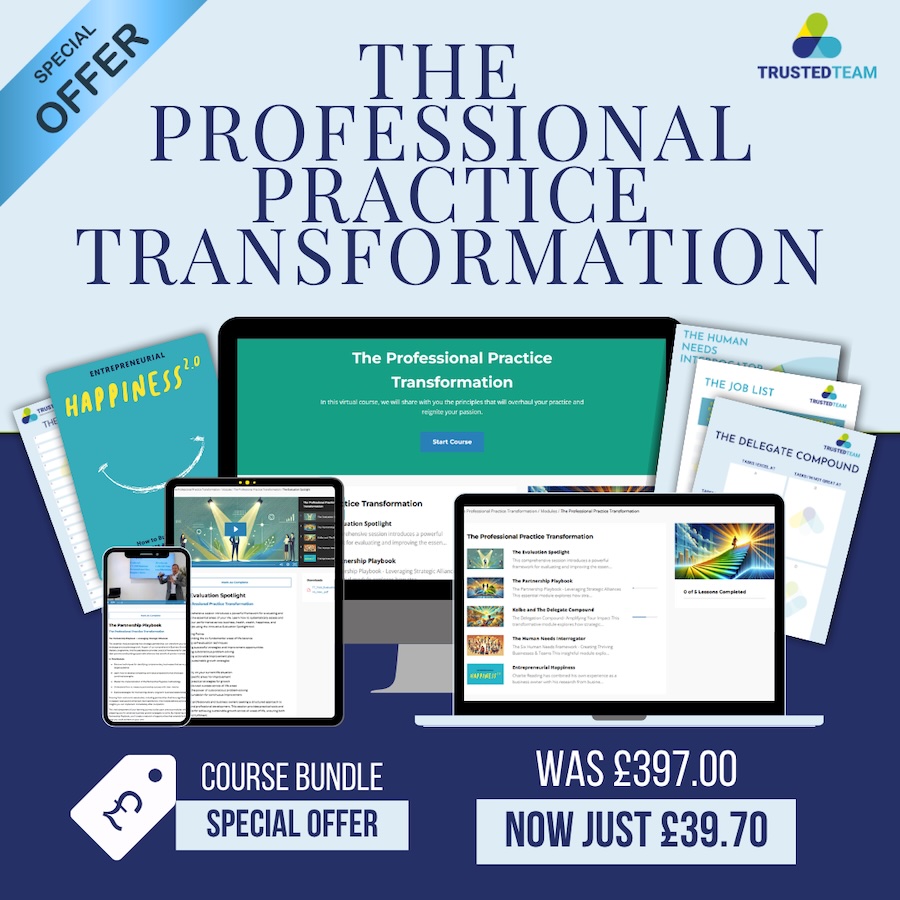
If you buy in the next 15 minutes, you can get it for £39.70!

If you buy in the next 15 minutes, you can get it for £39.70!

Once you have inputted your details here the tool will be available to download on the next screen. It may take up to 20 seconds.

    Please answer the math question below to prove you are a human!

    Once you have inputted your details here the tool will be available to download on the next screen. It may take up to 20 seconds.

      Please answer the math question below to prove you are a human!

      Once you have inputted your details here the tool will be available to download on the next screen. It may take up to 20 seconds.

        Please answer the math question below to prove you are a human!

        Once you have inputted your details here the tool will be available to download on the next screen. It may take up to 20 seconds.

          Please answer the math question below to prove you are a human!